

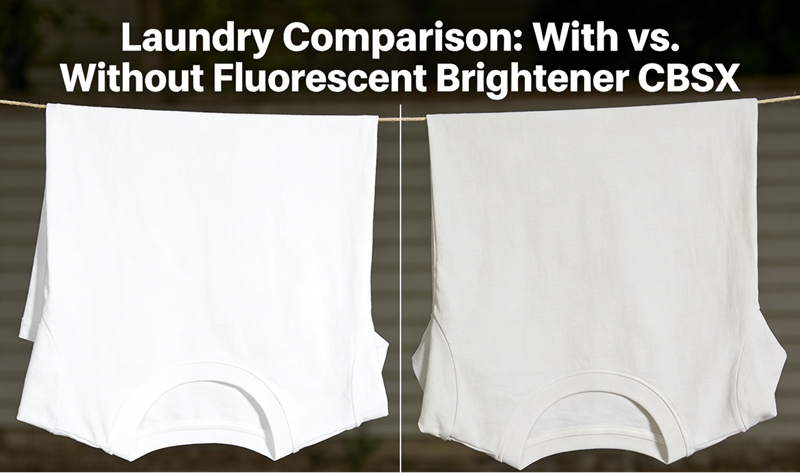
Optical Brighteners have been used in combination with detergents since 1940. Despite their low dosage in detergent formulations, they deliver remarkable whitening and brightening effects, making them a staple and favored additive in the detergent industry.
According to incomplete statistics, 40% of the world’s Optical brightener production is currently used in the detergent sector.
This article provides a concise overview of Optical Brighteners, including their definition, whitening mechanism, production and application, recommended dosage, and most importantly, their safety in use—a key concern for consumers worldwide.
1. What are Optical Brighteners?
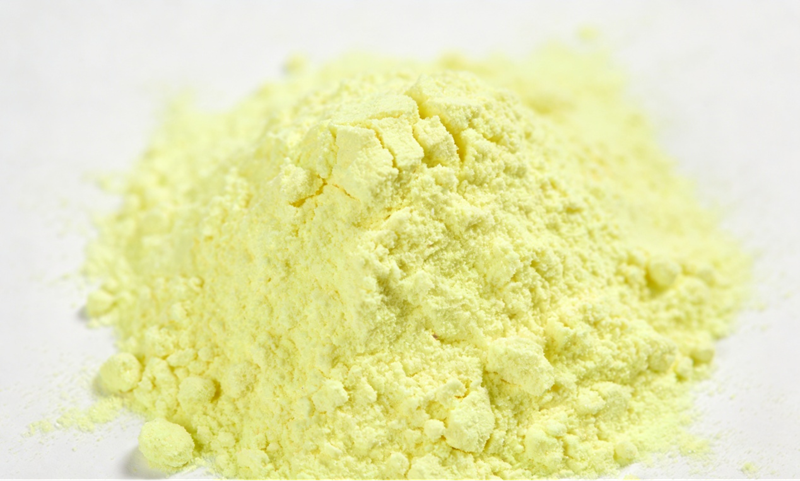
Optical Brighteners are a type of Optical dye. Under ultraviolet (UV) light irradiation, they emit blue and violet light that complements the yellow light on the substrate surface, thereby achieving a whitening effect.
Also known as optical brighteners or white Optical dyes, they leverage the optical color complementary effect to whiten, brighten and enhance the vividness of white or light-colored substrates such as textiles, paper, and plastics.
2. Whitening Mechanism of Optical Brighteners
As implied by their definition, the whitening mechanism of Optical Brighteners is as follows:
Exposed to sunlight (which contains UV light), they absorb UV light with a wavelength of 340~380nm and emit Optical light in the visible blue-violet range (410~460nm). This emitted light blends with the yellow light on the substrate to produce a distinct whitening effect.
The reflection of visible light by the brightened substrate is enhanced, which in turn increases the substrate’s whiteness and brightness significantly.
3. Application of Optical Brighteners
Optical Brighteners are widely used across numerous industries and fields, including textiles, papermaking, detergents, plastics, coatings, inks, leather, anti-counterfeiting, and laser detection. The global application distribution by industry is shown in the table below:
|
Application Industry |
Detergents |
Papermaking |
Textiles |
Plastics & Others |
|
Global Share (%) |
40 |
30 |
25 |
5 |
4. Why Add Optical Brighteners to Detergents?
(1) Enhance Washing Performance
White or light-colored textiles made from natural and synthetic fibers tend to yellow and look worn after repeated use and washing. When textiles are laundered, the Optical Brighteners in detergents adsorb onto the fabric surface, whiten and brighten the washed items, restoring yellowed, aged fabrics to a clean, bright and like-new appearance. This visually elevates the overall washing performance of the detergent product.
(2) Improve Detergent Product Appearance
Optical Brighteners effectively boost the whiteness of powdered laundry detergent or soap bars, enhancing the visual appeal of detergent products and elevating their product grade.
5. Common Optical Brighteners for Detergents
The selection of Optical Brighteners is critical for detergent formulations. Based on decades of practical application, DSD acid bis-triazine and distyryl biphenyl Optical Brighteners deliver the optimal performance.
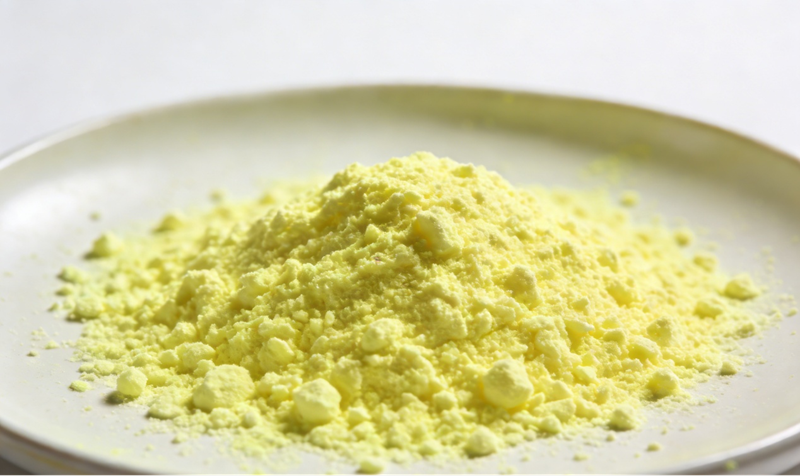
Among these, C.I. Optical Brightener 351 and C.I. Optical Brightener 71 are the most widely used variants worldwide—also known as Optical Brightener CBS and Optical Brightener CXT, the two core types adopted extensively in China’s detergent industry and recognized globally.
6. Recommended Dosage of Optical Brighteners in Detergents
More is not better when it comes to the dosage of Optical Brighteners in detergents. The optimal amount is determined by factors such as the detergent formulation, intended use, and the specific type of Optical brightener.
The yellow light intensity on laundered fabrics is finite, so the amount of blue-violet fluorescence required to offset it is also limited. As the concentration of Optical Brighteners on the fabric increases, the intensity of the emitted blue-violet fluorescence rises, making the fabric progressively whiter.
When the concentration reaches an optimal level, the intensity of the emitted blue-violet fluorescence exactly offsets the yellow light on the fabric—this is the point of maximum whitening effect. Further increasing the dosage will instead cause a decline in whiteness.
This characteristic underscores the importance of precise dosage control. In Europe and the United States, the recommended dosage of Optical Brighteners in detergents ranges from 0.05% to 0.5%.
7. Safety of Optical Brighteners for Detergent Use
The safety of Optical Brighteners is a top concern for consumers, and even a source of unnecessary doubt and anxiety. For Optical Brightener CBS and CXT—the two most commonly used variants in the detergent industry—toxicologists and ecologists worldwide have conducted rigorous scientific studies on laboratory animals and human volunteers to evaluate their safety.
These studies cover acute toxicity, skin toxicity, irritation, sensitization, genotoxicity, repeated dose toxicity, teratogenicity, carcinogenicity, in vivo accumulation, as well as their environmental concentrations in rivers and soil. Additionally, simulations and deductions were carried out on potential human exposure scenarios, exposure levels, and exposure limits.
The conclusions are clear and definitive:
1.The latest data from the European Chemicals Agency (ECHA) confirms that Optical Brighteners for detergent use are not PBT (Persistent, Bioaccumulative, Toxic) or vPvB (very Persistent, very Bioaccumulative) substances.
2.Optical Brighteners are not included in the list of banned dyes issued by the European Union and the International Association for Research and Testing in the Field of Textile Ecology (Oeko-Tex).
3.The European Chemical Industry Council (CEFIC) and national soap and detergent associations affirm that Optical Brighteners for detergent use are safe and pose no harm to human health or the environment.
4.The Japan Soap and Detergent Association (JSDA) concludes that Optical Brighteners for detergent use present an extremely low risk to human health and the environment.
This overview offers a comprehensive and accurate understanding of Optical Brighteners and their application in detergents. For any inquiries about our Optical brightener products, please feel free to contact us at any time—we provide high-quality, compliant and customized solutions for your detergent formulation needs.
Post time: Feb-28-2026