

Fire safety regulations are tightening worldwide. From the European Union’s RoHS and REACH directives to China’s GB/T standards and the evolving IEC 61249 halogen-free specification for printed circuit boards, the message is clear: halogenated flame retardants are being phased out, and the industry must adapt. Brominated and chlorinated flame retardants, once the workhorses of polymer fire protection, face increasing restrictions due to concerns about toxic smoke, persistent environmental accumulation, and end-of-life disposal challenges.
Phosphorus- and nitrogen-based flame retardant systems have emerged as the leading halogen-free alternatives, offering comparable or superior fire performance while eliminating the environmental and health risks associated with halogenated chemistry. For compounders and end-users in electronics, automotive, construction, and textiles, understanding this landscape is no longer optional — it is a competitive necessity.

1 The Science of Phosphorus-Based Flame Retardancy
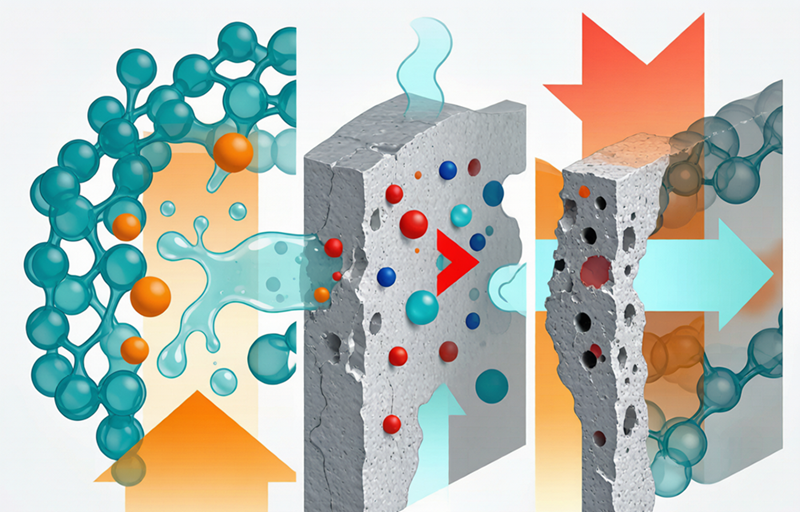
Phosphorus-based flame retardants operate through multiple mechanisms, often working simultaneously in both the condensed phase and the gas phase. Understanding these mechanisms is essential for selecting the right product for a given polymer system.
Three principles drive product selection:
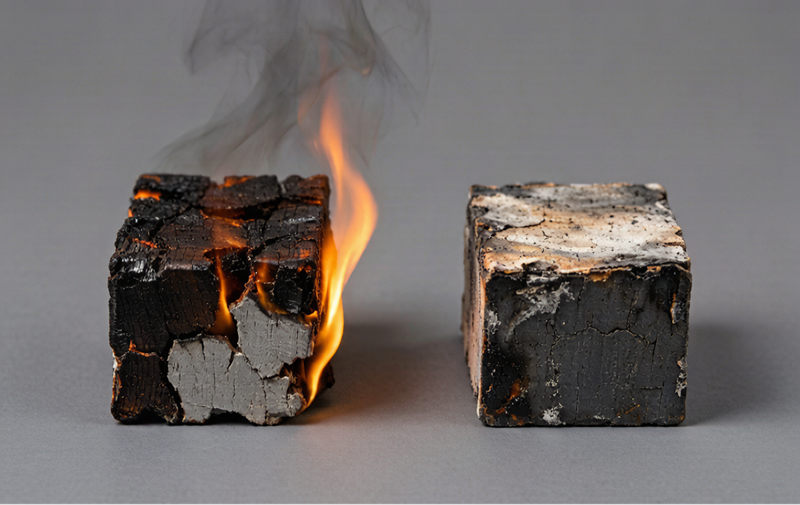
- Condensed-phase char formation — heat decomposes phosphorus compounds into phosphoric and polyphosphoric acids, which catalyze dehydration of the polymer surface into a carbonaceous char. This char insulates the material, blocks oxygen, and prevents fuel gases from reaching the flame.
- Gas-phase radical scavenging — some phosphorus compounds volatilize and generate PO* radicals in the flame zone, which scavenge the H* and OH* radicals that drive combustion, starving the flame of its chemical fuel cycle.
- Reactive vs. additive design — reactive flame retardants (such as DOPO derivatives) bond permanently into the polymer backbone with zero migration risk, while additive flame retardants (such as HPCTP) are physically blended in for formulation flexibility.
2 Product Portfolio: Six Halogen-Free Solutions
Reborn’s flame retardant portfolio spans reactive and additive chemistries based on organophosphorus and phosphazene platforms. Each product is engineered for specific polymer systems and application requirements.
- DOPO (CAS 35948-25-5) — the reactive building block for epoxy systems. Its strained P-H bond reacts directly with epoxy groups, making it the standard reactive flame retardant for PCBs, semiconductor encapsulation, and electrical insulation, with no toxic halogenated smoke and inherent anti-yellowing properties.
- DOPO-HQ (CAS 99208-50-1) — a higher-phosphorus, higher-Tg derivative of DOPO for premium PCB laminates, LED encapsulants, and semiconductor adhesives, offering low dielectric loss and superior UV stability for 5G electronics.
- DOPO-DDP (CAS 63562-33-4) — a difunctional flame retardant that copolymerizes directly into polyester chains, delivering permanent, non-migrating fire protection (LOI 30–32) for automotive interiors, marine textiles, and hotel furnishings.
- 2-Carboxyethyl(phenyl)phosphinic Acid (CAS 14657-64-8) — copolymerizes with PTA and EG during polyester synthesis for wash-durable, permanent flame retardancy in textiles, upholstery, and protective clothing, with PET-like spinnability and no processing odor.
- Hexaphenoxycyclotriphosphazene (HPCTP, CAS 1184-10-7) — a high-phosphorus, high-nitrogen additive for PC, PC/ABS, PPO, and nylon that preserves transparency at low loading, ideal for transparent electronic housings and LED lighting.
- Cresyl Diphenyl Phosphate (CDP, CAS 26444-49-5) — a dual-function flame retardant plasticizer for flexible PVC, PU foam, and TPU, widely used in transparent cable insulation, mining air ducts, and automotive seating.
3 Application Spotlights
Electronics and PCB Manufacturing
The electronics industry is the single largest consumer of halogen-free flame retardants, driven by IEC 61249 standards and major OEM halogen-free procurement policies. DOPO and DOPO-HQ are the products of choice for FR-4 and high-Tg laminate formulations, replacing TBBA to deliver halogen-free PCBs with superior thermal reliability, lower dielectric loss, and compatibility with lead-free soldering processes.
Automotive Interiors
Automotive interiors must meet stringent flammability standards (FMVSS 302, ECE R118, GB 8410) alongside increasingly strict VOC and odor requirements. DOPO-DDP copolymerized polyester offers permanent, zero-emission flame retardancy for seat fabrics, headliners, and door panels, while HPCTP serves PC/ABS trim, dashboard housings, and display bezels where transparency and thin-wall capability matter.
Textiles and Home Furnishings
Flame-retardant polyester fibers modified with 2-Carboxyethyl(phenyl)phosphinic acid provide wash-durable fire protection for curtains, upholstery, mattresses, and protective clothing. Unlike topical coatings that wash out after 10–20 laundry cycles, copolymerized phosphorus remains in the fiber for the product’s full service life, as required by California TB 117-2013, UK Furniture and Furnishings Regulations, and EN 1021.
Wire, Cable, and Flexible Applications
Cresyl Diphenyl Phosphate (CDP) serves the wire and cable industry as a dual-function plasticizer/flame retardant for PVC insulation and jacketing, enabling transparent, flexible, fire-resistant cable systems for building wiring, mining, and industrial use. In PU foam for furniture and automotive seating, CDP delivers softness, low-temperature flexibility, and fire safety together.
4 Selection Guide: Matching Chemistry to Application
Selecting the right halogen-free flame retardant requires matching the chemistry to the polymer system, processing method, regulatory requirements, and end-use performance criteria.
| Product | Polymer System | FR Type | Primary Application |
|---|---|---|---|
| DOPO | Epoxy resin | Reactive | PCB laminates, semiconductor encapsulation |
| DOPO-HQ | Epoxy resin | Reactive | High-Tg PCB, LED, 5G electronics |
| DOPO-DDP | Polyester | Reactive (copolymer) | Automotive interiors, marine textiles |
| 2-Carboxyethyl(phenyl)phosphinic acid | Polyester (PET/PBT) | Reactive (copolymer) | Flame-retardant fibers, textiles |
| HPCTP | PC, PC/ABS, PPO, Nylon | Additive | Transparent electronics, LED housings |
| CDP | PVC, PU, TPU | Additive (plasticizer) | Cables, foam, hoses, coatings |
Key selection criteria:
- Polymer compatibility — reactive FRs (DOPO, DOPO-DDP) bond into the polymer chain; additive FRs (HPCTP, CDP) are physically blended.
- Permanence requirement — for textiles and fibers, reactive copolymerizable FRs ensure wash-durable protection; for rigid molded parts, additive FRs are often sufficient.
- Transparency — HPCTP preserves PC transparency; CDP maintains PVC clarity; DOPO derivatives may affect optical properties in some systems.
- Regulatory compliance — all six products are halogen-free and compatible with RoHS, REACH, and IEC 61249 specifications.
- Processing temperature — DOPO-HQ offers the highest thermal stability (suitable for lead-free soldering); CDP has the lowest processing temperature window (PVC range).

Industry Trends and Regulatory Outlook
The global halogen-free flame retardant market is projected to grow at a CAGR of 7–8% through 2030, significantly outpacing the overall flame retardant market. Several macro-trends are driving this acceleration:
- Electrification and 5G infrastructure — the rollout of 5G networks and EV adoption are driving demand for halogen-free flame retardants in PCB laminates, battery enclosures, and charging infrastructure, since EV battery packs require FR materials that withstand thermal runaway without releasing toxic halogenated gases.
- Circular economy and recycling — halogen-free polymers are far easier to recycle; brominated flame retardants contaminate recycling streams and can form brominated dioxins during reprocessing, pushing manufacturers toward halogen-free formulations as EPR regulations expand.
- Bio-based and sustainable chemistry — research into bio-based phosphorus flame retardants derived from DNA, phytic acid, and lignin is advancing, though DOPO-based products from non-halogenated precursors remain the most environmentally responsible option at commercial scale today.
Regulatory pressure points to watch:
- EU RoHS — potential expansion to cover additional brominated FRs in medical devices and monitoring instruments.
- IEC 61249-2-21 — the halogen-free threshold (Cl < 900 ppm, Br < 900 ppm, total < 1500 ppm) is becoming the default electronics specification.
- China GB/T 38263 — a new national standard for halogen-free flame retardant materials in electronic and electrical products.
- US EPA — continued evaluation of organohalogen flame retardants under TSCA, with potential restrictions on additional compounds.
Frequently Asked Questions
What is a halogen-free flame retardant?
A halogen-free flame retardant is a fire-protection additive that contains no bromine or chlorine. It typically uses phosphorus- and nitrogen-based compounds — such as DOPO, DOPO-HQ, HPCTP, or CDP — to slow or suppress combustion through char formation and radical scavenging, without releasing toxic or corrosive smoke.
What is the difference between reactive and additive flame retardants?
Reactive flame retardants, such as DOPO and DOPO-DDP, are chemically bonded into the polymer backbone during synthesis, so they cannot migrate or leach out over the product’s lifetime. Additive flame retardants, such as HPCTP and CDP, are physically blended into the finished compound, offering formulation flexibility but with some risk of migration or extraction in long-term or high-temperature service.
Which halogen-free flame retardant is best for PCB laminates?
DOPO and DOPO-HQ are the industry standard for FR-4 and high-Tg epoxy laminates. DOPO-HQ is generally preferred for premium PCB, LED, and 5G applications because of its higher phosphorus content, superior thermal stability, and lower dielectric loss compared with standard DOPO.
Are halogen-free flame retardants required by law?
Requirements vary by market and application. IEC 61249-2-21 has become the de facto specification for halogen-free PCBs and is widely required by major electronics OEMs. Automotive flammability standards (FMVSS 302, ECE R118, GB 8410) and textile regulations (California TB 117-2013, EN 1021) do not mandate halogen-free chemistry outright, but they increasingly favor phosphorus-based systems for their added recyclability and low-toxic-smoke performance.
Is DOPO safe to handle and process?
DOPO is supplied as a white crystalline powder and is handled using standard industrial chemical-safety practices. Compared with brominated alternatives, it does not generate toxic halogenated smoke during fire exposure and does not produce dioxins during incineration, which is why it has become the preferred reactive flame retardant intermediate for epoxy systems.
Building Fire-Safe Polymers for a Halogen-Free Future
The transition from halogenated to halogen-free flame retardants is not a trend — it is a permanent shift in the polymer industry’s approach to fire safety. Phosphorus-based chemistry, with its dual-phase action mechanism, formulation flexibility, and proven regulatory compliance, has established itself as the platform of choice for the next generation of fire-safe materials.
Reborn’s portfolio of six halogen-free flame retardants — spanning reactive DOPO derivatives for epoxy and polyester systems, additive HPCTP for engineering plastics, and dual-function CDP for flexible PVC and PU applications — provides polymer manufacturers with a complete toolkit for meeting the most demanding fire safety standards without compromising on performance, transparency, or environmental responsibility. As electronics miniaturization, EV adoption, and circular economy regulations continue to accelerate, the companies that master halogen-free flame retardant formulation today will be the ones capturing market share tomorrow.
Contact us to request technical data sheets, samples, or a tailored halogen-free flame retardant recommendation for your application.
Post time: Aug-18-2026